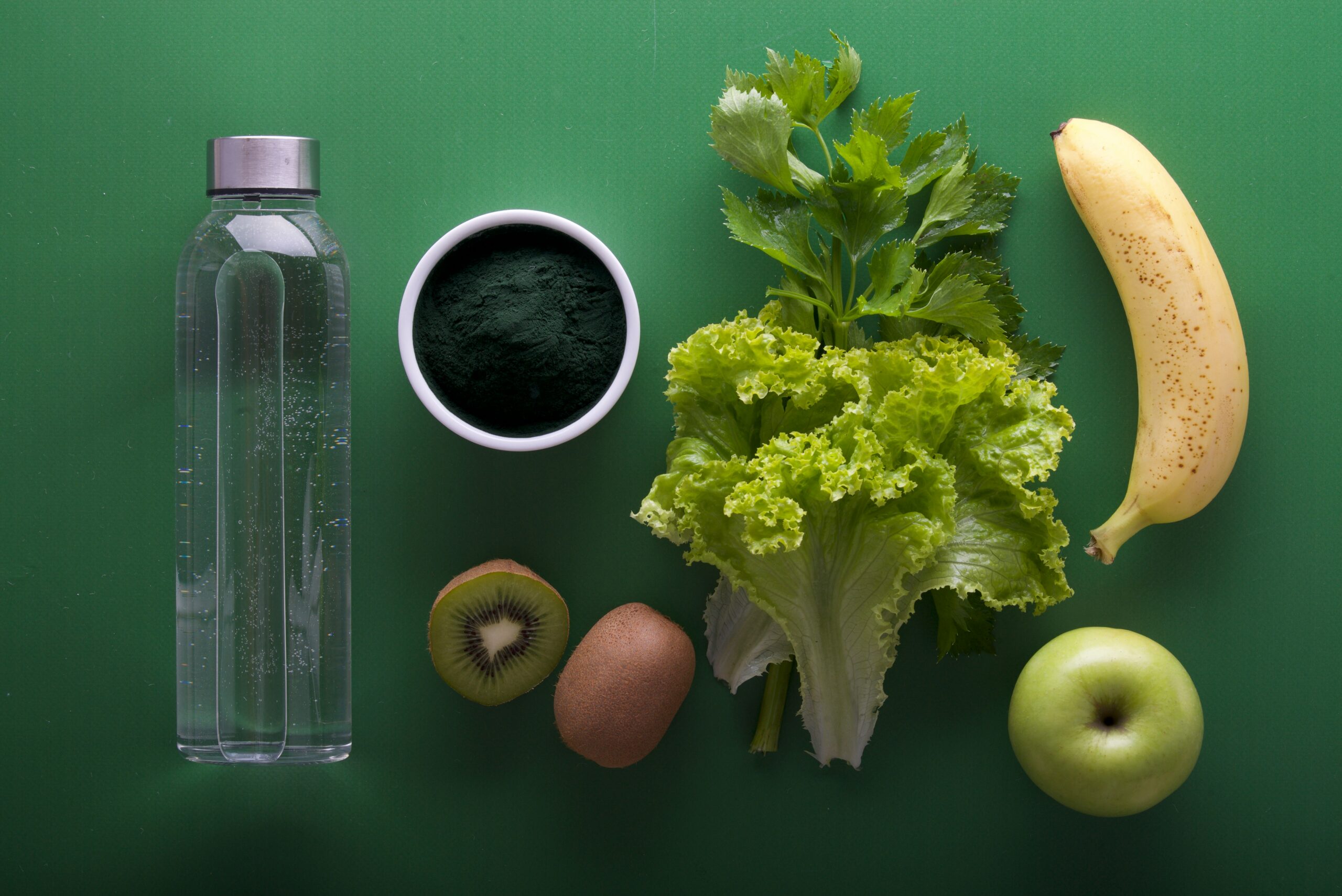
Good digestion is crucial for overall health as it ensures your body absorbs essential nutrients effectively. When digestion is optimal, your body can break down food efficiently and extract vitamins, minerals, and other nutrients necessary for maintaining energy, growth, and repair. If you have ever experienced bloating, irregular digestion, or sluggishness, improving your digestive health can significantly boost nutrient absorption and overall well-being. In this article, we’ll explore key strategies to help improve digestion, optimizing the way your body absorbs nutrients from the food you consume.
Prioritize a Balanced Diet to Support Digestive Health
The foundation of any good digestive health plan starts with the food you eat. A balanced diet, rich in fiber from foods like fruits, vegetables, and whole grains, helps maintain a healthy digestive system. Fiber helps keep the digestive tract moving, which in turn helps prevent constipation and bloating. It also nourishes beneficial gut bacteria, which are essential for breaking down food and aiding nutrient absorption. A fiber-rich diet is vital for enhancing digestion and facilitating the effective absorption of nutrients.
Including healthy fats in your diet can further improve digestion. Fats found in avocados, nuts, and seeds are beneficial as they enhance the absorption of fat-soluble vitamins, such as vitamins A, D, E, and K. These fats play a role in overall digestive health by ensuring your body can absorb these essential nutrients more efficiently. A balanced diet that includes lean proteins, complex carbohydrates, and plenty of water can ensure your digestive system remains optimal, supporting better nutrient absorption.
Stay Hydrated to Aid Digestion
Water is one of the most essential factors for good digestion. Staying well-hydrated throughout the day helps break down food and supports the absorption of nutrients. Water also aids in moving food through the digestive system, preventing constipation and promoting regular bowel movements. Without adequate hydration, your digestive system may struggle, leading to slow digestion and discomfort. Drinking water regularly enhances digestion and allows your body to absorb nutrients more effectively.
In addition to plain water, herbal teas such as ginger or peppermint can further help digestion. Ginger, in particular, has been known to reduce nausea and support gastric motility. Avoid sugary drinks or excessive caffeine, as these can dehydrate the body, disrupt digestion, and hinder nutrient absorption. Consuming adequate water throughout the day, combined with digestive-supportive herbal teas, helps ensure optimal digestive function.
Include Probiotics and Prebiotics in Your Diet
Probiotics are beneficial bacteria that help maintain a healthy gut, which is crucial for proper digestion. By consuming probiotic-rich foods like yogurt, kefir, and fermented vegetables, you can support the growth of good bacteria in your digestive tract. These beneficial microbes help break down food and produce essential vitamins that your body needs to absorb nutrients efficiently. Including probiotics in your diet is an excellent way to maintain a healthy digestive environment, enhancing your body’s ability to absorb nutrients.
Prebiotics are another essential part of digestive health. These fiber-rich foods, such as garlic, onions, bananas, and asparagus, act as food for the probiotics in your gut. By nourishing these beneficial bacteria, prebiotics support their growth, helping them perform their digestive functions more effectively. Including both probiotics and prebiotics in your daily meals helps balance your gut microbiome, improving digestion and overall nutrient absorption.
Manage Stress to Improve Digestive Function
Stress is one of the significant factors that can disrupt digestion. When your body is under stress, it enters a “fight or flight” mode, which diverts energy away from non-essential functions, including digestion. This can slow down the digestive process, leading to issues like bloating, indigestion, and even constipation. Over time, chronic stress can impair your gut’s ability to absorb nutrients and lead to digestive disorders.
To optimize digestion, managing stress is essential. Techniques such as meditation, deep breathing exercises, and yoga can help reduce stress levels and improve overall digestive function. Regular physical activity also reduces stress and improves circulation, which in turn supports digestion. By incorporating stress-reducing practices into your daily routine, you can enhance your digestive system’s ability to absorb nutrients.
Chew Your Food Thoroughly
Digestion begins in the mouth, so it’s crucial to chew your food thoroughly. When you chew food correctly, it breaks down into smaller particles, making it easier for your stomach to process. Additionally, chewing stimulates the release of saliva, which contains digestive enzymes that begin breaking down carbohydrates. This initial breakdown process is essential for nutrient absorption, as it gives your stomach and intestines a head start in digesting food.
By taking your time to chew food properly, you can significantly reduce the strain on your digestive system. Aim to chew each bite 20-30 times, allowing your body to begin the digestive process before the food even reaches your stomach. Chewing thoroughly can help reduce bloating, indigestion, and discomfort, ultimately improving the efficiency of nutrient absorption.
Engage in Regular Physical Activity
Exercise plays a significant role in promoting digestive health. Physical activity helps stimulate the muscles of the digestive tract, encouraging the movement of food and waste through your system. Regular exercise also boosts blood flow to the digestive organs, which enhances nutrient absorption. Additionally, it can help prevent constipation and bloating by promoting regular bowel movements.
Aim for at least 30 minutes of moderate exercise most days of the week to keep your digestive system functioning optimally. Activities such as walking, swimming, or cycling can help improve digestion and nutrient absorption. However, avoid strenuous exercise right after meals, as this can sometimes disrupt digestion. Regular physical activity can significantly improve digestive efficiency and overall health.
Eat Smaller, More Frequent Meals
Eating smaller meals throughout the day can improve digestion by allowing your digestive system to function more efficiently. Large meals can overwhelm the digestive tract, causing discomfort, bloating, and indigestion. By eating smaller portions every 3-4 hours, you give your body more time to break down food and absorb nutrients properly. This approach also helps prevent overeating, which can stress the digestive system.
In addition to improving digestion, eating smaller meals can help regulate blood sugar levels and prevent energy crashes. Instead of consuming heavy, large meals, aim for lighter, balanced meals throughout the day. This practice supports digestion and ensures that your body can absorb nutrients more effectively, without being overloaded by large amounts of food at once.
Limit Processed Foods and Artificial Ingredients
Processed foods often contain added sugars, unhealthy fats, and artificial ingredients that can negatively impact your digestive health. These foods can lead to gut inflammation, disrupt the balance of beneficial bacteria, and impair nutrient absorption. Furthermore, processed foods often lack the vitamins and minerals that your body needs to function correctly, which can leave you feeling sluggish and malnourished.
To improve digestion and nutrient absorption, focus on whole, unprocessed foods such as fresh fruits, vegetables, lean proteins, and healthy fats. These foods are not only easier for your digestive system to handle, but they also provide the necessary nutrients to support overall health. Reducing processed foods from your diet helps optimize digestion and ensures that your body is getting the most out of the food you consume.