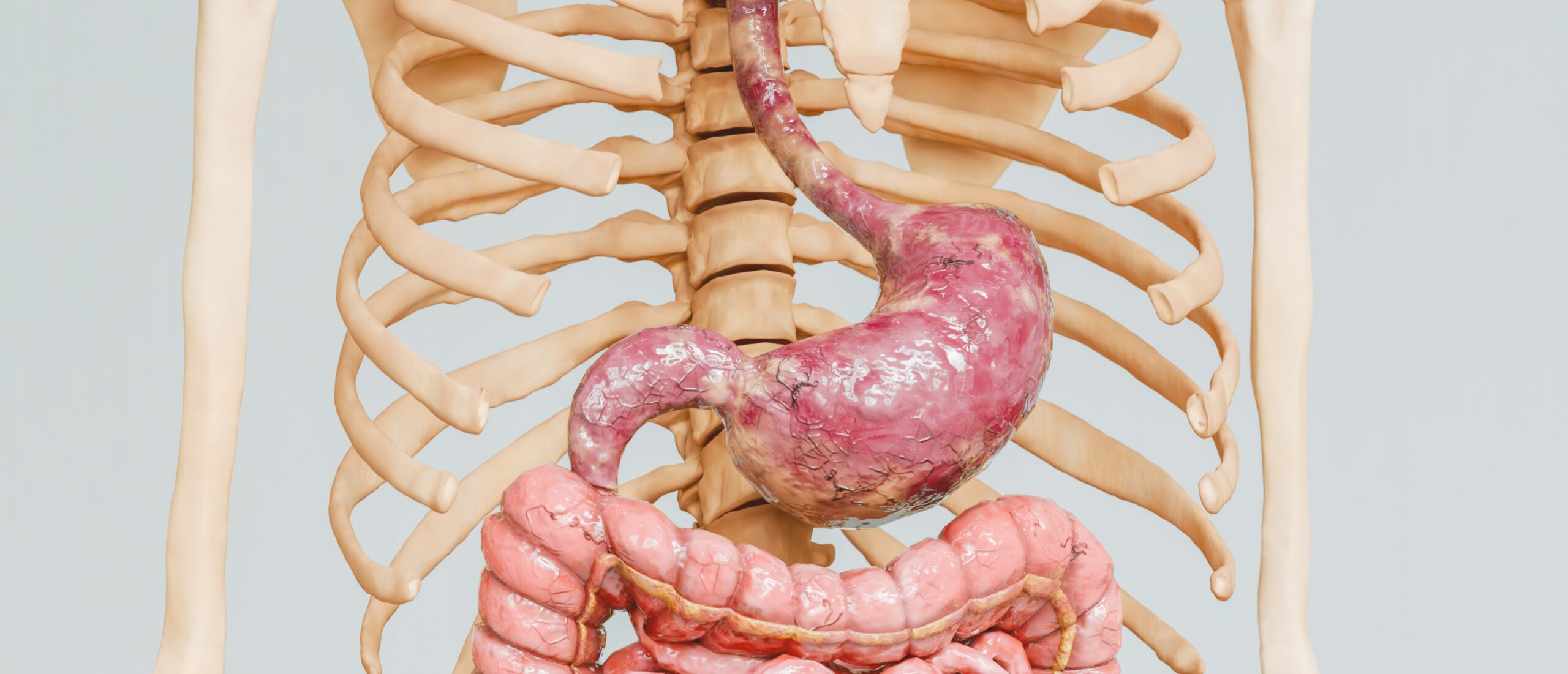
Many people look for ways to increase their energy through coffee, supplements, or quick dietary changes. However, one of the most important factors behind lasting vitality often receives less attention. Gut health plays a major role in how the body digests food, absorbs nutrients, and creates the energy needed for everyday activities.
A healthy digestive system does much more than process meals. It helps the body gain access to essential nutrients that support muscles, organs, and the brain. As a result, good gut health can improve physical performance, mental focus, and overall wellness. Understanding this connection can help people make better lifestyle choices that support both digestion and sustained energy levels.
Understanding Gut Health
Gut health refers to the condition and balance of the digestive system, especially the microorganisms that live within it. These microorganisms form what experts call the gut microbiome. They help break down food, support immune function, and contribute to overall health.
A healthy gut contains a diverse range of beneficial bacteria. These microorganisms work together to maintain digestive balance. When the gut microbiome remains healthy, digestion becomes more efficient, and the body can absorb nutrients more effectively. Consequently, energy production improves because the body receives the resources it needs to function properly.
The Connection Between Gut Health and Digestion
Digestion begins as soon as food enters the mouth. The digestive system then breaks food into smaller nutrients that the body can use. Throughout this process, gut bacteria assist with the breakdown of certain foods and support nutrient extraction.
When gut health declines, digestion may become less efficient. As a result, individuals may experience bloating, discomfort, irregular bowel movements, or other digestive concerns. Furthermore, poor digestion can limit the body’s ability to access nutrients, which may affect overall energy levels and well-being.
How Nutrient Absorption Influences Energy
The body depends on nutrient absorption to convert food into energy. Vitamins, minerals, proteins, fats, and carbohydrates all play specific roles in energy production. However, the body cannot use these nutrients unless the digestive system absorbs them properly.
Healthy gut health supports strong nutrient absorption. Therefore, the body can receive adequate amounts of nutrients that help maintain stamina and focus. In contrast, poor gut health may contribute to nutrient deficiencies, leading to fatigue, weakness, and reduced productivity throughout the day.
The Role of the Gut Microbiome in Energy Production
The gut microbiome influences many biological functions, including energy metabolism. Beneficial bacteria help break down food and produce compounds that support digestive health. These compounds contribute to efficient nutrient utilization and improved energy production.
Moreover, the gut microbiome helps regulate inflammation within the body. Excess inflammation can interfere with normal bodily functions and contribute to fatigue. By supporting a balanced gut environment, individuals may experience more consistent energy and better overall health.
Signs That Poor Gut Health May Affect Energy Levels
Many symptoms associated with low energy may originate in the digestive system. Frequent bloating, constipation, diarrhea, stomach discomfort, and irregular digestion can indicate an unhealthy gut. These issues often interfere with nutrient absorption and energy production.
Additionally, individuals with poor gut health may experience brain fog, difficulty concentrating, and persistent tiredness. Since digestion and energy production are closely connected, addressing digestive concerns can often improve daily vitality and mental clarity.
Foods That Support Gut Health
Nutrition plays a major role in maintaining a healthy digestive system. Whole foods rich in fiber help nourish beneficial gut bacteria and support digestive function. Fruits, vegetables, legumes, nuts, seeds, and whole grains are excellent choices for promoting gut health.
Fermented foods also contribute to a healthy gut microbiome. Yogurt, kefir, sauerkraut, kimchi, and similar foods contain beneficial bacteria that help support digestive balance. Therefore, including these foods regularly may improve digestion and encourage sustained energy levels.
The Importance of Fiber for Digestive Wellness
Fiber serves as a primary food source for beneficial gut bacteria. When these bacteria receive adequate nourishment, they can thrive and support digestive health more effectively. As a result, fiber plays a crucial role in maintaining a healthy gut microbiome.
In addition, fiber supports regular bowel movements and helps stabilize blood sugar levels. Stable blood sugar contributes to more consistent energy throughout the day. Therefore, individuals who consume adequate fiber often experience better digestion and improved energy management.
Hydration and Gut Health
Water supports nearly every aspect of digestion. It helps break down food, transport nutrients, and move waste through the digestive tract. Without adequate hydration, digestion can slow down and become less efficient.
Proper hydration also supports nutrient absorption and circulation. Consequently, nutrients can reach cells more effectively, allowing the body to maintain steady energy production. Drinking enough water each day remains one of the simplest ways to support both gut health and sustained energy levels.
Stress and Its Impact on the Gut
Stress affects more than emotional well-being. It also influences digestive health. During stressful situations, the body often reduces digestive activity while focusing on immediate survival responses. This shift can negatively affect digestion and gut function.
Long-term stress may alter the balance of gut bacteria and contribute to digestive discomfort. Furthermore, stress can affect sleep quality and energy levels. Therefore, managing stress through mindfulness, relaxation techniques, and regular physical activity can support healthier digestion and better daily performance.
Physical Activity Supports Digestive Health
Regular movement benefits the digestive system in several ways. Exercise helps stimulate digestion and promotes healthy bowel function. As a result, food moves more efficiently through the digestive tract.
Physical activity also supports circulation and oxygen delivery throughout the body. Improved circulation helps transport nutrients to cells, which supports energy production. Therefore, combining regular exercise with healthy nutrition can strengthen gut health and improve overall vitality.