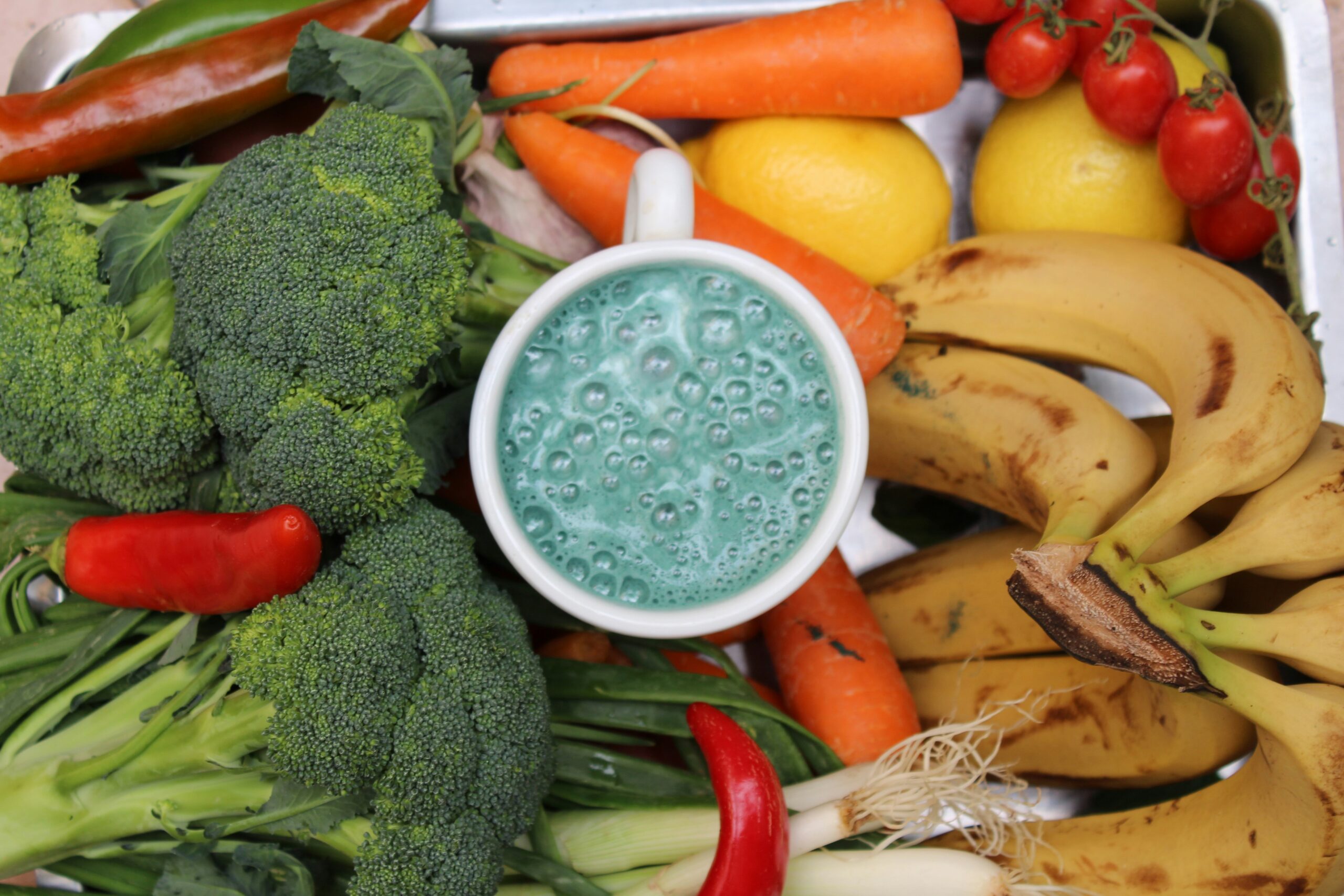
A thriving gut is more than just good digestion — it’s the foundation for energy, mood, immunity, and overall well-being. While supplements often get the spotlight, the truth is that the simplest way to support your gut microbiome is through the foods you eat every day. You don’t need exotic ingredients or complicated regimens. The key lies in weaving the right foods naturally into your daily meals.
Let’s explore some everyday heroes that quietly work wonders for your gut health.
1. Start Your Day with Fiber-Rich Breakfasts
Your gut microbes love fiber — it’s their favorite fuel. Unlike simple sugars, dietary fiber travels down to the colon, where beneficial bacteria ferment it into compounds that nourish your intestinal lining and reduce inflammation.
Think beyond plain cereal. A bowl of warm oatmeal topped with chia seeds, berries, and a sprinkle of flaxseed is a microbiome-friendly powerhouse. If you prefer something savory, try whole-grain toast with smashed avocado and a side of sautéed spinach. Small swaps like these create a breakfast for which your gut bacteria will thank you.
2. Fermented Foods Bring Friendly Bacteria to the Party
Fermented foods are like VIP guests at the gut’s daily gathering. They contain live cultures — beneficial bacteria — that can help diversify your microbiome. A more diverse gut ecosystem is associated with stronger immunity and better digestion.
Simple options include yogurt with live active cultures, kefir, sauerkraut, kimchi, miso, and kombucha. You don’t have to eat all of them at once; just adding a small serving to one meal a day makes a difference. For example, a dollop of sauerkraut on your sandwich or a glass of kefir with breakfast can introduce billions of friendly microbes into your system.
3. Colorful Vegetables Keep Gut Bugs Happy
If your plate looks like a rainbow, you’re on the right track. Different colors in vegetables represent different plant compounds — called phytonutrients — that feed various types of beneficial bacteria.
Red peppers, purple cabbage, orange carrots, dark leafy greens — they each bring something unique to the microbial table. Roasting a mix of vegetables on Sunday and adding them to your lunches throughout the week is a low-effort way to keep your gut flora balanced and satisfied.
4. Whole Grains Provide Steady Support
Refined carbs are easy to overconsume, but they don’t offer much to your gut microbes. Whole grains, on the other hand, are packed with fiber, resistant starch, and nutrients that support microbial diversity.
Brown rice, quinoa, barley, farro, and oats are excellent choices. These grains act like a slow-release energy source for both you and your gut bacteria. Swapping white rice for brown rice or adding a scoop of quinoa to your salad is a simple but meaningful upgrade.
5. Legumes Are Unsung Gut Heroes
Beans, lentils, and chickpeas don’t always get the spotlight, but they’re among the best foods for building a strong microbiome. They’re loaded with prebiotic fibers — the kind that bacteria love to ferment.
If you’re new to legumes, start small to give your digestive system time to adjust. Toss a handful of chickpeas into your salad, make a lentil soup for lunch, or try black beans in your tacos. Over time, your gut bacteria will adapt, making legumes easier to digest while delivering big benefits.
6. A Handful of Nuts and Seeds Goes a Long Way
Nuts and seeds are more than just snacks — they’re nutrient-dense sources of fiber, healthy fats, and polyphenols (natural plant compounds with antioxidant properties). These compounds feed beneficial bacteria and support their growth.
Almonds, walnuts, pistachios, chia seeds, flaxseeds, and sunflower seeds are great choices. A small handful as a mid-morning snack or a sprinkle on your salad adds both crunch and microbiome support.
7. Herbs and Spices Add More Than Just Flavor
Here’s a fun twist: your gut loves herbs and spices almost as much as your taste buds do. Garlic, onions, ginger, turmeric, cinnamon, and oregano all contain natural compounds that encourage beneficial bacteria to thrive while discouraging harmful ones.
For example, garlic and onions are rich in inulin — a powerful prebiotic fiber. Turmeric contains curcumin, which supports anti-inflammatory pathways in the gut. Adding these to soups, marinades, or dressings is an easy way to make your meals both flavorful and gut-friendly.
8. Consistency Matters More Than Perfection
The gut microbiome responds best to habits, not quick fixes. Eating a diverse array of plant-based foods, fermented products, and fiber-rich staples consistently creates a stable environment where good bacteria flourish.
You don’t have to overhaul your diet overnight. Start by adding one or two gut-supporting foods at a time. Maybe it’s switching from white bread to whole grain, trying yogurt with live cultures instead of flavored versions, or sneaking extra veggies into your stir-fries. Over weeks and months, these small choices build up to significant changes in your microbiome — and your overall well-being.
A Final Thought
Your gut isn’t a passive organ; it’s a bustling ecosystem that thrives on what you feed it. By choosing simple, everyday foods that nourish good bacteria, you’re setting the stage for better digestion, stronger immunity, improved mood, and long-term health.
So the next time you’re at the grocery store, think of your cart as a care package for your gut. With a few intentional choices, every meal can become an opportunity to support your inner community of microbes.