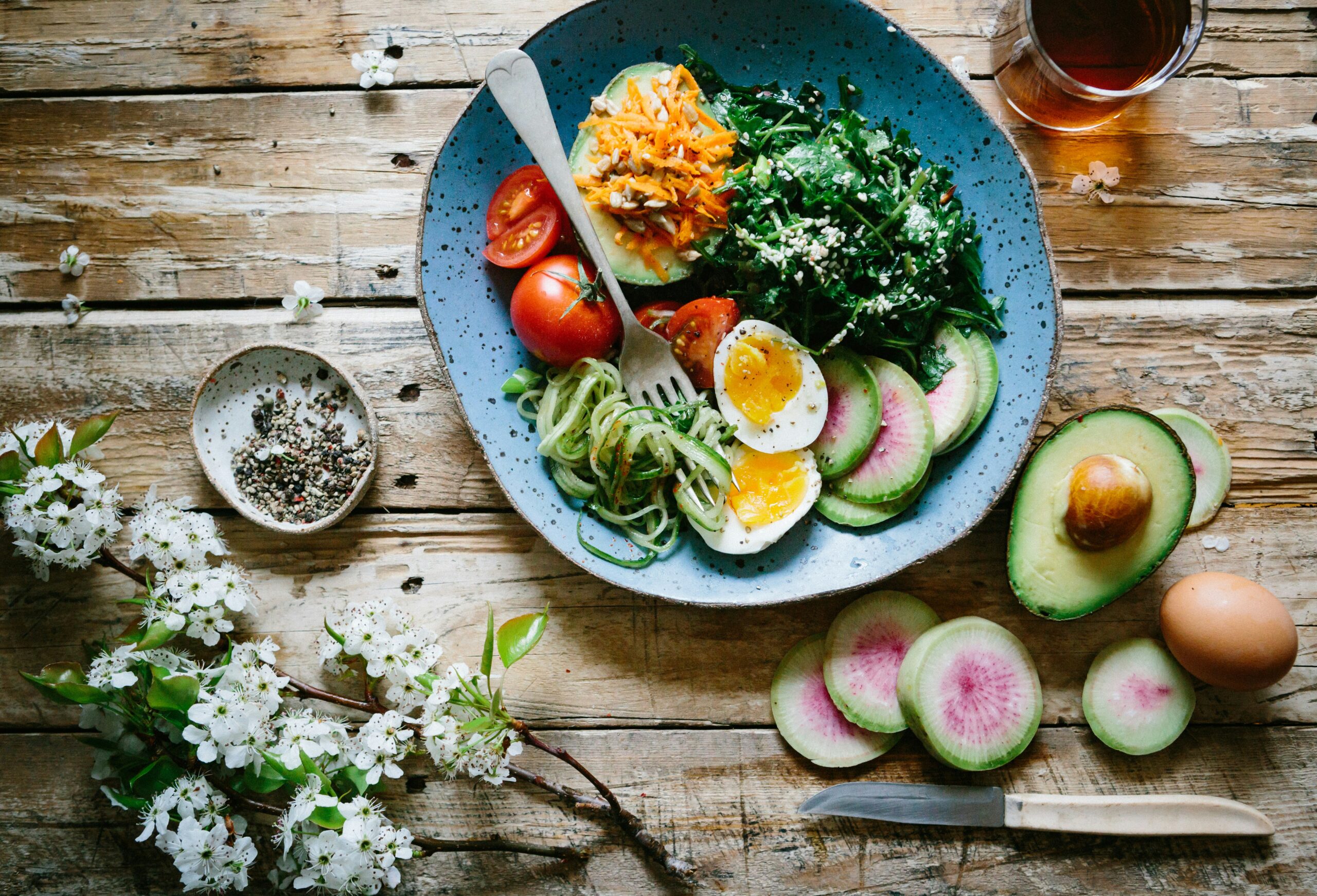
Your intestines do much more than digest food. They help your body absorb nutrients, support your immune system, and influence how you feel every day. When your gut works well, your energy stays steady, and your body feels balanced. When it struggles, you may notice discomfort, bloating, or irregular digestion.
Taking care of your intestinal health starts with simple daily choices. The food you eat directly affects how your gut functions. Fresh, natural foods help maintain balance in your digestive system. Over time, these habits build a stronger and more reliable foundation for your overall health.
The Role of Natural Foods in Gut Balance
Natural foods provide the nutrients your intestines need to stay healthy. They support beneficial gut bacteria and help keep harmful bacteria under control. This balance is important for smooth digestion and better nutrient absorption.
Whole foods also reduce stress on your digestive system. Processed foods often contain additives that can upset your gut. Choosing simple, clean ingredients allows your intestines to work more efficiently and with less strain.
Fiber-Rich Foods That Support Digestion
Fiber plays a key role in keeping your digestive system active and regular. It helps move waste through your intestines and prevents constipation. Foods like fruits, vegetables, and whole grains are excellent sources of fiber.
Eating enough fiber each day helps your gut stay balanced. It also feeds the good bacteria in your intestines. This creates a healthier environment that supports long-term digestive comfort and stability.
Probiotic Foods That Strengthen Gut Health
Probiotic foods contain beneficial bacteria that support your gut. Yogurt, kefir, and fermented vegetables help maintain a healthy balance in your intestines. These foods make it easier for your body to break down and absorb nutrients.
Adding probiotic foods to your diet can improve digestion over time. They help reduce bloating and support regular bowel movements. A balanced gut also supports your immune system and overall well-being.
Hydrating Foods That Keep Digestion Smooth
Water plays a major role in digestion, but food can also help keep you hydrated. Fruits and vegetables with high water content support your digestive system. They help soften stool and make it easier for your body to eliminate waste.
Hydration also helps your body break down food more effectively. When your intestines stay hydrated, they work more smoothly. This reduces discomfort and supports a steady digestive process.
Healthy Fats That Support Gut Function
Healthy fats are essential for proper digestion. They help your body absorb key nutrients and support the lining of your intestines. Foods like avocados, nuts, and olive oil provide these beneficial fats.
Including healthy fats in your meals can improve how your digestive system feels. They help food move through your intestines with ease. This supports better digestion and helps prevent issues like dryness or discomfort.
Foods That Reduce Digestive Stress
Some foods naturally calm your digestive system. Gentle options like cooked vegetables, bananas, and rice are easy to digest. They help your intestines recover when you feel discomfort or heaviness.
Avoiding overly processed or greasy foods can also reduce stress on your gut. Simple meals give your digestive system a break. This allows your intestines to function more smoothly and maintain balance.
Building Daily Habits for Better Intestinal Wellness
Improving intestinal wellness takes consistency. Eating balanced meals at regular times helps your digestive system stay on track. Small changes, like adding more natural foods, can lead to lasting results.
Paying attention to how your body feels is also important. Everyone responds differently to certain foods. When you listen to your body and make thoughtful choices, you create a routine that supports long-term gut health and comfort.