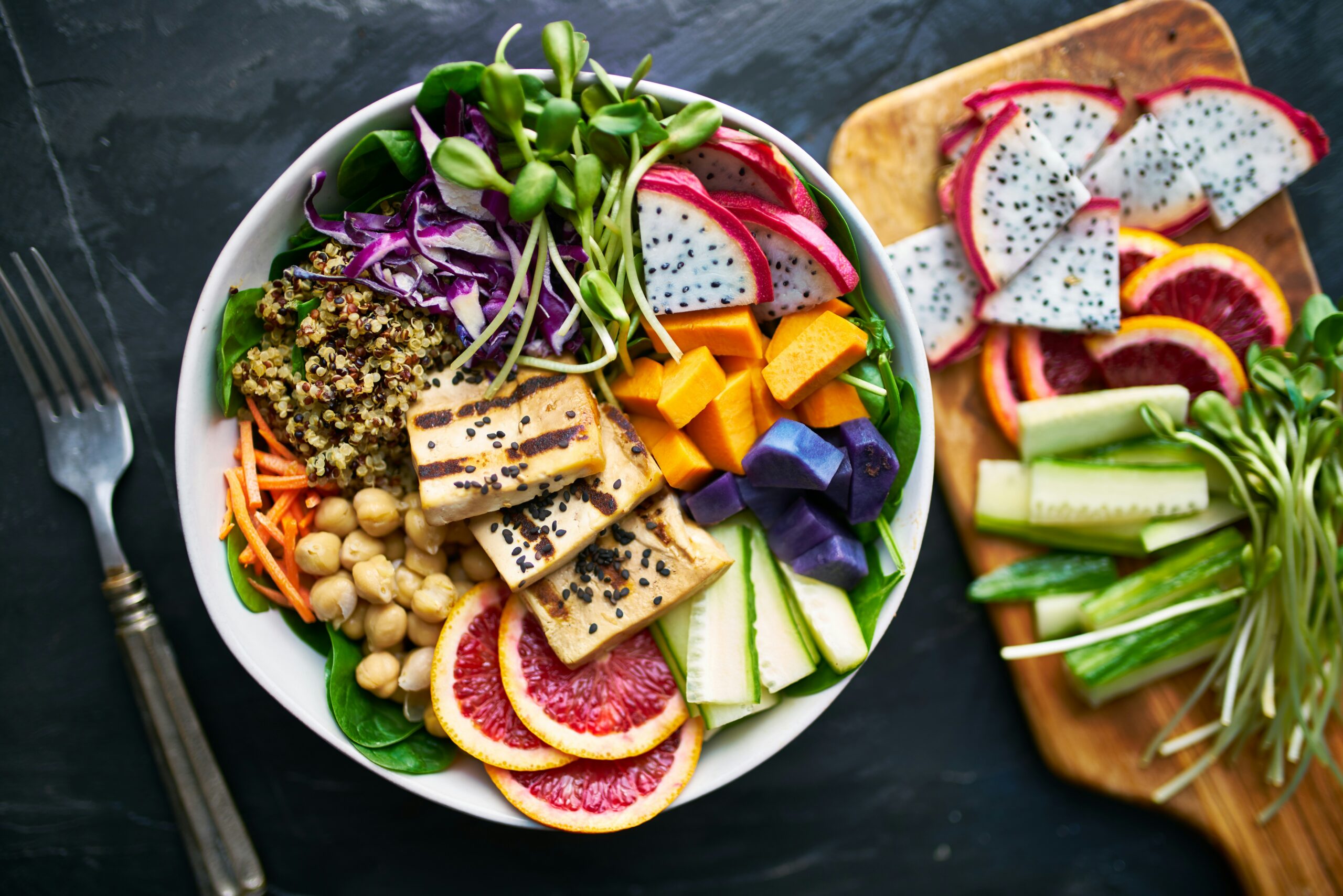
Digestive health affects nearly every part of the body. Your intestines help absorb nutrients, support immunity, and manage inflammation. However, poor eating habits, stress, illness, and processed foods can weaken intestinal health over time. As a result, many people experience bloating, discomfort, irregular digestion, and low energy.
Fortunately, certain foods can help repair and support the digestive system naturally. The right nutrients strengthen the intestinal lining and improve the balance of gut bacteria. In addition, healing foods reduce irritation and help the body recover faster. A balanced diet also supports long-term digestive wellness and overall health.
Why Intestinal Health Matters for Recovery
The intestines do more than digest food. They also protect the body from harmful bacteria and toxins. When the intestinal lining becomes damaged, the digestive system struggles to work properly. Consequently, people may experience inflammation, stomach pain, or nutrient deficiencies.
Healthy intestines support stronger immunity and better nutrient absorption. Furthermore, they help maintain a balanced gut microbiome. A strong digestive system can also improve mood, sleep, and energy levels. Therefore, recovery starts with foods that nourish and protect intestinal tissues.
Many processed foods increase irritation inside the digestive tract. Fried foods, refined sugars, and artificial additives often weaken digestive balance. On the other hand, natural whole foods provide vitamins, fiber, and antioxidants that support intestinal healing.
Healing Foods for Gut Health and Intestinal Repair
Healing foods for gut health provide nutrients that support tissue recovery and healthy digestion. These foods often contain fiber, healthy fats, vitamins, and anti-inflammatory compounds. In addition, they encourage the growth of beneficial bacteria in the intestines.
Bone broth remains one of the most popular recovery foods for digestive support. It contains amino acids and collagen that help support the intestinal lining. Moreover, warm broth feels gentle on sensitive stomachs.
Cooked vegetables also help intestinal recovery. Steamed carrots, zucchini, spinach, and sweet potatoes are easy to digest. They provide vitamins without causing excessive irritation. Additionally, cooked vegetables supply fiber that supports healthy bowel movements.
Bananas are another helpful option for digestive recovery. They contain potassium and soluble fiber, which help calm the digestive system. As a result, they help support smoother digestion and reduce discomfort.
Avocados provide healthy fats that reduce inflammation and support tissue repair. They also contain fiber that feeds healthy gut bacteria. Therefore, avocados support both digestion and intestinal recovery.
Fermented Foods That Restore Healthy Gut Bacteria
Fermented foods play an important role in digestive healing. These foods contain beneficial bacteria that support the gut microbiome. A balanced microbiome helps reduce inflammation and improve intestinal function.
Yogurt with live cultures naturally supports digestive balance. However, plain yogurt without added sugar works best for recovery. Excess sugar can increase inflammation and weaken gut health. Greek yogurt also provides protein that supports tissue repair.
Kefir contains several strains of beneficial bacteria and yeast. As a result, it supports microbial diversity in the intestines. Many people also find kefir easier to digest than regular milk.
Sauerkraut and kimchi provide probiotics and antioxidants that support intestinal health. Nevertheless, people with sensitive digestion should introduce fermented foods slowly. Large amounts may cause temporary bloating during adjustment periods.
Miso and tempeh also help support healthy gut bacteria. In addition, these fermented foods provide minerals and plant-based protein. A varied diet with fermented foods often improves digestive resilience over time.
Anti-Inflammatory Foods That Support Intestinal Healing
Inflammation slows recovery from digestive issues and irritates intestinal tissues. Therefore, anti-inflammatory foods play a key role in healing the digestive tract. Natural foods rich in antioxidants help protect cells and reduce stress inside the body.
Fatty fish such as salmon and sardines provide omega-3 fatty acids. These healthy fats help calm inflammation and support intestinal recovery. Additionally, omega-3 fats support heart and brain health.
Blueberries contain antioxidants that help protect intestinal cells from damage. They also provide fiber that supports digestion naturally. Similarly, strawberries and raspberries offer digestive support with fewer processed sugars.
Turmeric contains curcumin, which supports healthy inflammatory responses. Many people add turmeric to soups, rice, or smoothies for digestive support. Black pepper may also improve curcumin absorption.
Ginger supports digestion and helps calm stomach discomfort. Furthermore, ginger may help reduce nausea and bloating. Fresh ginger tea often provides soothing digestive support after meals.
Olive oil contains healthy fats and antioxidants that support intestinal tissues. Replacing processed oils with olive oil may improve overall digestive health. Therefore, simple dietary changes can produce long-term benefits.
Fiber-Rich Foods That Strengthen Digestive Recovery
Fiber supports intestinal recovery by feeding beneficial gut bacteria. It also helps maintain regular digestion and healthy bowel function. However, people recovering from digestive irritation should increase fiber gradually.
Oats provide soluble fiber that supports smoother digestion. They also help beneficial bacteria produce compounds that protect the intestinal lining. As a result, oats support both short-term comfort and long-term gut health.
Chia seeds and flaxseeds provide fiber and healthy fats. In addition, they help support hydration inside the digestive system. Many people add them to yogurt, smoothies, or oatmeal.
Beans and lentils provide plant protein and prebiotic fiber. Prebiotics help feed beneficial gut bacteria and improve microbial balance. However, some people may need smaller portions while recovering from digestive sensitivity.
Apples contain pectin, a soluble fiber that supports digestive health. Cooked apples may feel gentler on sensitive intestines than raw apples. Therefore, baked apples can support recovery without excessive irritation.
Leafy greens also support digestive recovery through vitamins and fiber. Spinach, kale, and romaine lettuce help nourish the body during the healing process. Furthermore, they support healthy immune function.
Foods to Avoid During Intestinal Recovery
Some foods may delay healing and increase digestive irritation. Therefore, reducing inflammatory and heavily processed foods supports faster recovery. Small dietary changes can significantly improve digestive comfort.
Highly processed snacks often contain artificial additives and unhealthy fats. These ingredients may disrupt the balance of healthy gut bacteria and increase inflammation. Consequently, digestive symptoms may become worse over time.
Excess sugar can also weaken intestinal health. Harmful bacteria often thrive on large amounts of refined sugar. In contrast, natural whole foods support better microbial balance.
Fried foods may irritate the digestive tract and slow recovery. They often contain unhealthy oils that increase inflammation. Heavy meals may also place stress on sensitive intestines.
Alcohol and excessive caffeine can irritate the intestinal lining. Some people may also experience dehydration from these beverages. Therefore, moderation supports a healthier digestive system during recovery.
Long-Term Habits That Protect Digestive Wellness
Healing the intestines requires consistent daily habits. Nutritious foods work best when combined with a balanced lifestyle. Therefore, long-term digestive wellness depends on regular care and healthy routines.
Hydration supports nutrient absorption and healthy digestion. Drinking enough water also helps fiber move through the intestines properly. As a result, hydration supports smoother bowel function.
Stress management also affects digestive health. Chronic stress may weaken digestion and increase inflammation. Activities such as walking, meditation, and deep breathing may support recovery.
Regular sleep helps the body repair tissues and regulate digestion. Poor sleep often affects the balance of gut bacteria and energy levels. Therefore, healthy sleep habits naturally support intestinal healing.
Balanced eating patterns also protect digestive wellness over time. Consistent meals with whole foods help maintain a stable digestive system and a healthy gut microbiome. Small improvements often create lasting health benefits.
Building a Stronger Digestive Future
Intestinal recovery depends on nourishment, consistency, and balanced daily habits. Healing foods support the digestive tract while reducing inflammation and irritation. In addition, they strengthen beneficial gut bacteria and improve nutrient absorption.
Whole foods rich in fiber, probiotics, and healthy fats help create a healthier digestive environment. Fermented foods, cooked vegetables, and anti-inflammatory ingredients all support intestinal repair. Over time, these foods help the body regain balance and resilience.
A healthier digestive system can improve energy, immunity, and overall wellness. Therefore, choosing healing foods regularly supports both intestinal recovery and long-term health.