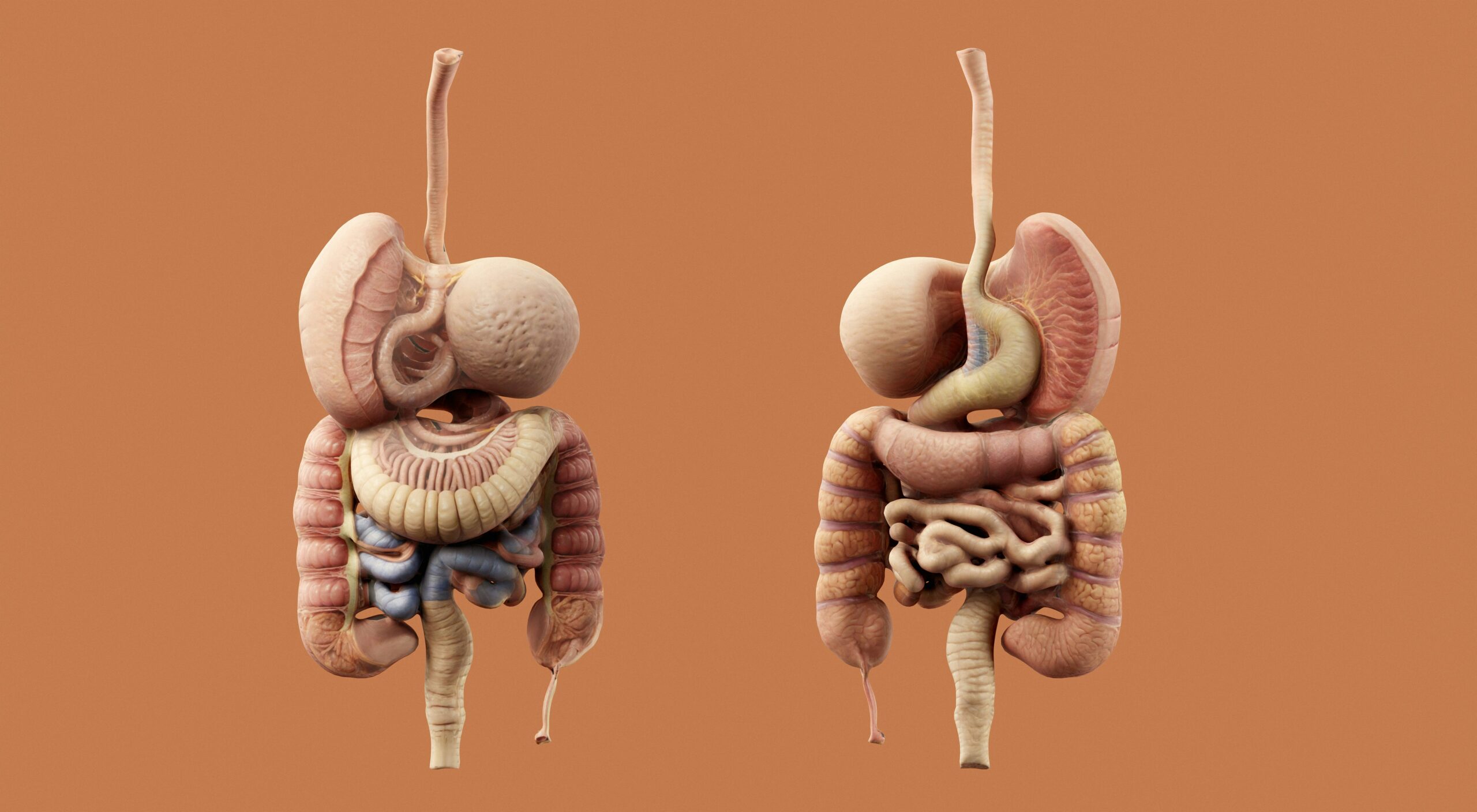
Improving digestive health is one of the best ways to support better nutrient absorption, higher energy levels, and overall wellness. Even when you eat nutrient-rich foods, your body must break them down properly to absorb vitamins, minerals, protein, healthy fats, and antioxidants. Therefore, learning how to boost digestion naturally can help your body get more value from every meal. With simple habits like mindful eating, hydration, fiber-rich foods, probiotics, and stress control, you can support a healthier gut and improve daily comfort.
Start With Mindful Eating
Your digestive system begins working before food reaches your stomach. When you slow down, smell your meal, and chew well, your body releases saliva and digestive enzymes that help break down food. Therefore, mindful eating can make meals easier to process.
Try sitting down without rushing, even during busy days. Also, avoid eating while scrolling, driving, or working when possible. When your brain notices the meal, your body prepares for digestion more effectively.
Chew Food Thoroughly
Chewing is one of the easiest ways to improve digestion. Smaller food particles are easier for your stomach to break down. In addition, saliva contains enzymes that begin digesting carbohydrates before they reach your stomach.
Many people eat too quickly and swallow large bites. However, slowing your chewing can reduce bloating and help your body access nutrients more efficiently. A relaxed pace also helps you notice fullness before overeating.
Drink Water Throughout the Day
Water supports nearly every step of digestion. It helps dissolve nutrients, move food through the digestive tract, and prevent constipation. Moreover, good hydration supports the natural mucus lining that protects your stomach and intestines.
You do not need to drink huge amounts at once. Instead, sip water steadily throughout the day. If plain water feels boring, add lemon, cucumber, or mint for a fresh taste without relying on sugary drinks.
Add More Fiber-Rich Foods
Fiber helps keep digestion regular and supports a balanced gut environment. Fruits, vegetables, beans, lentils, oats, and whole grains can all help food move smoothly through your system. Furthermore, fiber feeds beneficial gut bacteria, which play a role in nutrient absorption.
Increase fiber gradually if your current diet is low in it. Otherwise, adding too much too quickly may cause gas or bloating. Pair fiber with enough water so your digestive system can handle it comfortably.
Support Your Gut With Probiotic Foods
Probiotic foods contain beneficial bacteria that may support gut balance. Yogurt with live cultures, kefir, sauerkraut, kimchi, miso, and fermented pickles can be helpful additions. As a result, your gut may become better equipped to break down food and support immune health.
However, start with small servings if fermented foods are new to you. Some people need time to adjust. Choose options with less added sugar and simple ingredients whenever possible.
Include Prebiotic Foods
Prebiotics are types of fiber that feed the helpful bacteria in your gut. Foods such as onions, garlic, bananas, asparagus, oats, apples, and legumes can support this process. In turn, a healthier gut microbiome may help your body use nutrients more effectively.
Because prebiotic foods can be powerful, build them into meals slowly. For example, add sliced banana to oatmeal or toss onions into a vegetable stir-fry. Small changes can still make a meaningful difference over time.
Balance Meals With Protein, Healthy Fats, and Carbs
Balanced meals support steady digestion and nutrient uptake. Protein helps repair tissue and supports enzyme production, while healthy fats help your body absorb vitamins A, D, E, and K. Meanwhile, complex carbohydrates provide energy and fiber.
For instance, a meal with grilled chicken, brown rice, avocado, and vegetables offers several nutrients in one plate. Additionally, balanced meals may reduce cravings and help prevent energy crashes after eating.
Manage Stress Before Meals
Stress can slow or disrupt digestion. When your body is in a tense state, it may focus less on breaking down food. Therefore, taking a few calming breaths before eating can help shift your body into a more relaxed mode.
You can also try gentle music, a short walk, or a quiet minute before meals. Although these habits seem small, they may help reduce stomach discomfort and improve how your body handles food.
Move Your Body Regularly
Regular movement helps stimulate the digestive tract and supports healthy bowel function. Walking, stretching, cycling, dancing, or light strength training can all contribute. In addition, movement may help reduce bloating after meals.
You do not need intense workouts to see benefits. A simple 10-minute walk after eating can support digestion and help regulate blood sugar. Consistency matters more than perfection.
Limit Ultra-Processed Foods
Highly processed foods often contain excess sugar, unhealthy fats, and low fiber. These choices may slow digestion and crowd out nutrient-rich foods. Furthermore, they can affect gut bacteria when eaten too often.
That does not mean you must avoid every packaged food. Instead, focus on whole or minimally processed meals most of the time. Choose foods with recognizable ingredients, and add colorful produce whenever possible.
Improve Sleep Quality
Sleep gives your body time to repair and regulate important functions, including digestion. Poor sleep may affect hunger hormones, gut balance, and food choices the next day. Consequently, better sleep can indirectly support nutrient absorption.
Create a calming nighttime routine and keep meals lighter close to bedtime. Also, reduce late caffeine and screen time when possible. These habits can help your body rest, recover, and digest more smoothly.
Be Consistent With Healthy Habits
Better digestion rarely comes from one single change. Instead, it improves when several supportive habits work together. Chewing well, staying hydrated, eating fiber, managing stress, and sleeping better can all help your body absorb nutrients more effectively.
Start with one or two realistic digestive health habits this week, then build from there. Over time, these simple choices can improve gut health, reduce bloating, support regular bowel movements, and increase nutrient absorption from the foods you eat. As your digestion becomes stronger, your body may feel lighter, more energized, and better nourished. Ultimately, a healthy digestive system helps you enjoy food more while supporting long-term wellness from the inside out.