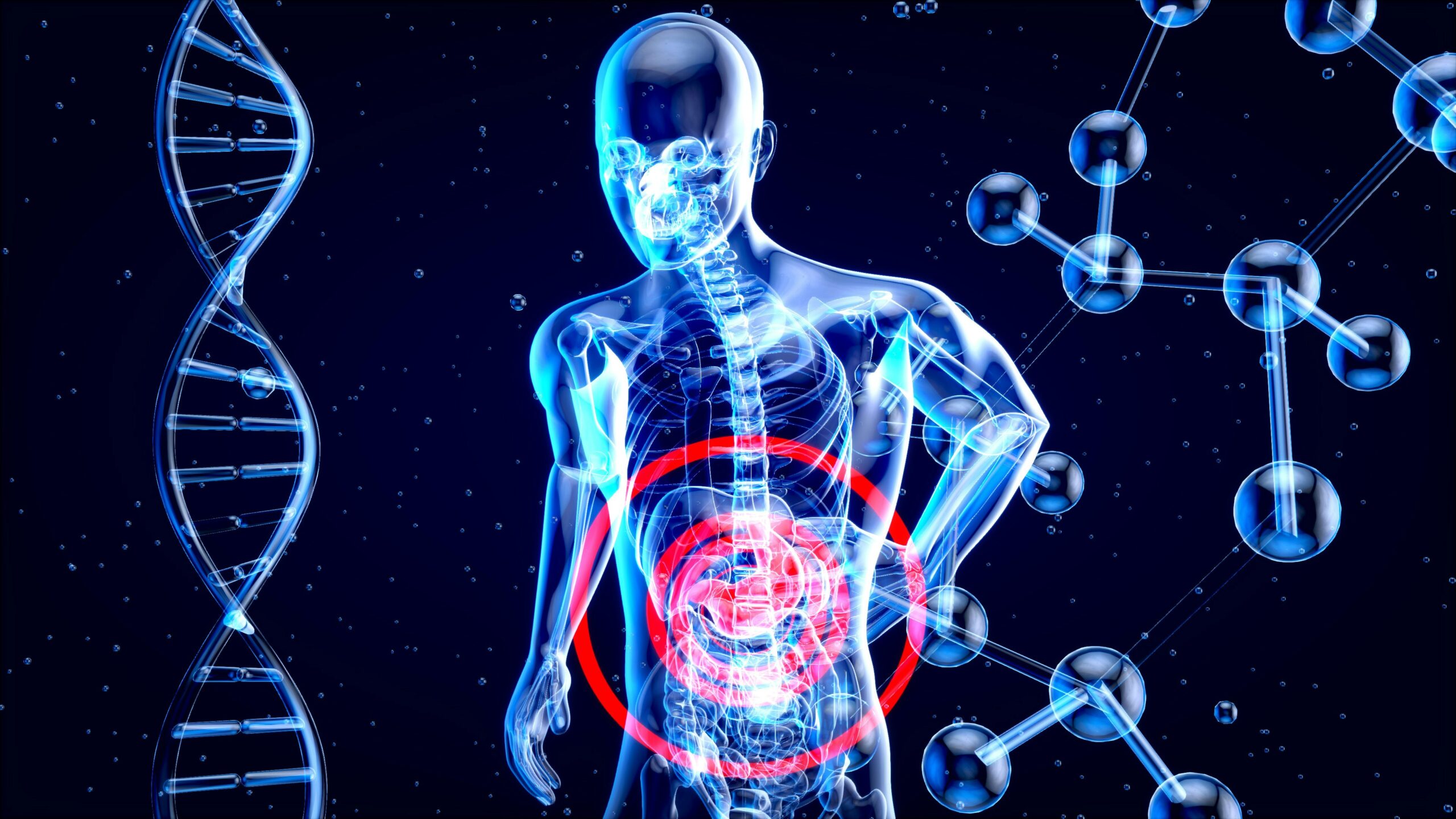
Your gut does far more than process the food on your plate. It quietly shapes everything from your mood and energy to your immune system and even how well you sleep. When your digestive system is balanced, it often shows in your overall well-being. But when things are off, the ripple effects can be surprisingly far-reaching. Let’s explore how gut health influences your daily life and why caring for it is one of the smartest investments you can make for your body and mind.
Your Microbiome: The Community Within
Inside your digestive tract lives a bustling community of bacteria, fungi, and other microorganisms known as the gut microbiome. Think of it as a small city, where residents each have specific jobs—breaking down food, producing vitamins, training your immune system, and even sending signals to your brain. When this community is diverse and balanced, it supports nearly every aspect of health. But when it becomes unbalanced, problems like bloating, fatigue, or recurring illnesses can creep in.
Digestion Is Just the Beginning
It’s easy to assume the gut’s only job is to digest food, but it does so much more. For example, gut bacteria help break down fiber into short-chain fatty acids that feed your cells and reduce inflammation. Without this process, even a healthy diet might not deliver its full benefits. Imagine eating a fresh apple or a hearty bowl of oats—your gut microbes are the ones unlocking those nutrients so your body can thrive.
Immunity Starts in the Gut
Did you know that around 70% of your immune system resides in the digestive tract? The gut acts like a training ground where immune cells learn how to distinguish between harmless and harmful invaders. When balanced, it defends you against infections while preventing unnecessary flare-ups. But if the gut barrier weakens or the microbiome shifts, your body may respond with chronic inflammation, allergies, or frequent colds. Simply put, caring for your gut is like fortifying the walls of your body’s defense system.
The Surprising Gut–Brain Connection
Ever felt “butterflies in your stomach” before a big meeting? That’s your gut-brain connection in action. The gut and brain communicate constantly through the vagus nerve and chemical messengers. Gut microbes produce neurotransmitters like serotonin, which regulate mood and sleep. This helps explain why an imbalanced gut is often linked to anxiety, brain fog, or difficulty sleeping. It’s a two-way street: stress affects your digestion, and poor digestion can affect your stress levels. Finding balance in one often helps the other.
Energy and Metabolism Depend on Balance
If you’ve ever felt sluggish after a heavy meal, you know digestion affects energy. But long-term gut health plays an even bigger role. A diverse microbiome helps regulate metabolism, blood sugar, and how efficiently your body extracts energy from food. When your gut is out of balance, you may feel tired no matter how much coffee you drink. Small steps—like eating more whole foods or staying hydrated—can support steady energy without relying on quick fixes.
Everyday Habits That Heal Your Gut
The good news is that you don’t need extreme diets or expensive supplements to improve gut health. Start with approachable habits:
- Eat more fiber-rich foods like fruits, vegetables, beans, and whole grains.
- Include fermented foods such as yogurt, kefir, sauerkraut, or kimchi.
- Stay hydrated to help digestion flow smoothly.
- Get regular movement—even walking stimulates healthy digestion.
- Manage stress through breathing exercises, journaling, or time outdoors.
Consistency matters more than perfection. Even small changes in daily routines can create lasting improvements over time.
When to Pay Extra Attention
Most people notice when their gut is unhappy—bloating, irregular bowel movements, or ongoing discomfort are all signs. But there are less obvious clues too, such as frequent fatigue, skin flare-ups, or brain fog. If symptoms linger despite healthy habits, it’s wise to check in with a healthcare professional. Sometimes conditions like food intolerances, IBS, or small intestinal bacterial overgrowth (SIBO) need tailored support. Listening to your gut isn’t just a figure of speech—it can guide you toward care when your body needs it most.
A Holistic View of Wellness
At its core, gut health is about connection. It connects what you eat to how you feel, links your immune system to your environment, and ties your emotional health to your physical resilience. By nurturing this often-overlooked system, you’re not just supporting digestion—you’re strengthening your foundation for overall wellness. Whether it’s through mindful eating, balanced routines, or simply paying closer attention to your body’s signals, a healthier gut truly means a healthier you.