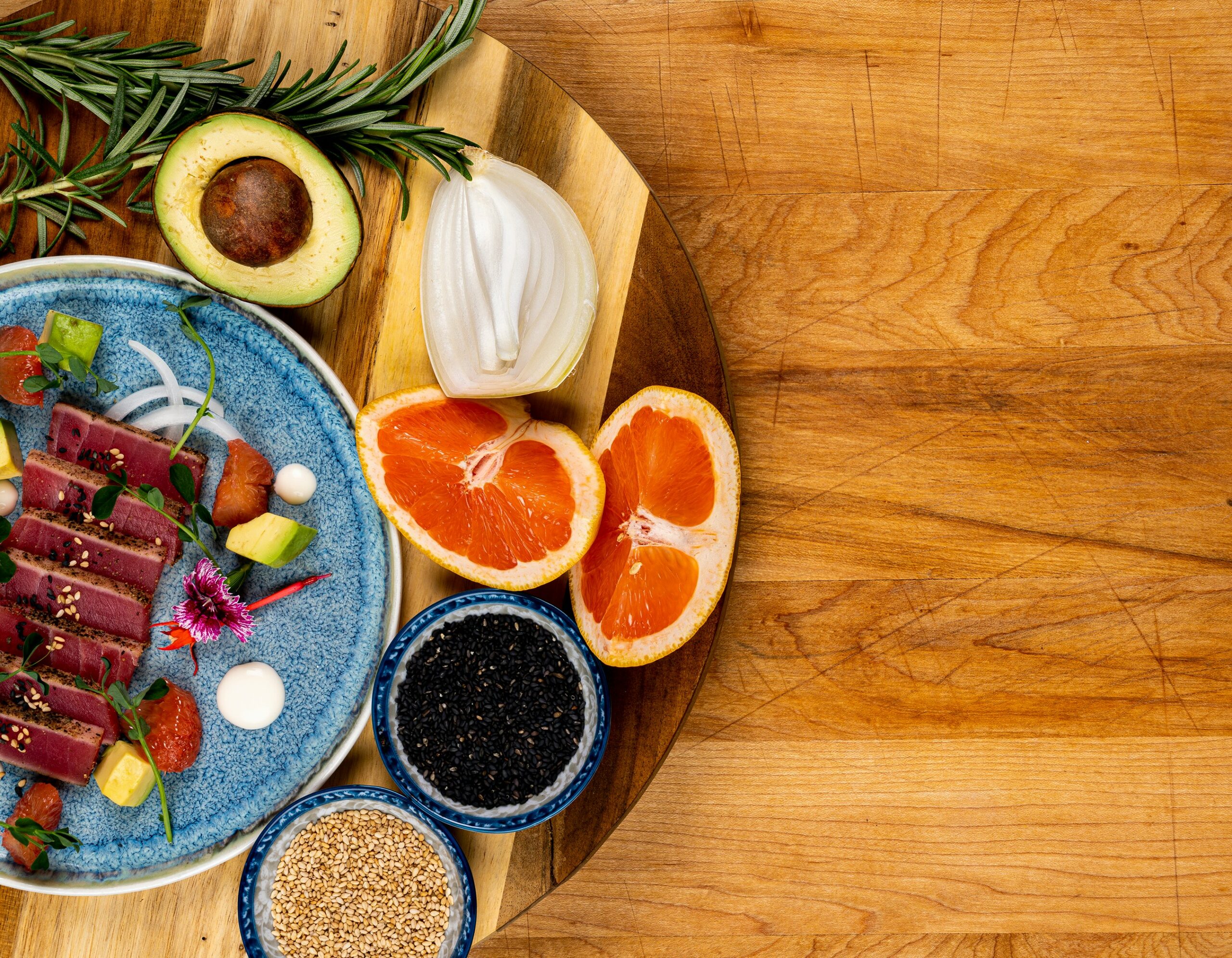
Maintaining a balanced microbiome is essential for overall well-being. A thriving gut ecosystem supports digestion, strengthens the immune system, regulates mood, and even contributes to healthy weight management. The foods you eat play a vital role in shaping the health and diversity of your gut bacteria. Fortunately, supporting your microbiome does not require fancy supplements or exotic ingredients. Everyday foods, readily available in local markets, offer powerful benefits when it comes to gut health.
Incorporating the right types of foods into your daily routine can help foster beneficial bacteria and inhibit harmful ones. While probiotics often get the spotlight, prebiotics, fiber, and polyphenol-rich options are just as important. Understanding which everyday foods contribute to a balanced gut microbiome helps you build a sustainable, gut-friendly diet for life.
The Gut Microbiome and Its Importance
The gut microbiome consists of trillions of microorganisms, including bacteria, fungi, viruses, and protozoa, living primarily in the large intestine. These microbes influence digestion, nutrient absorption, immune response, and even mental health through the gut-brain axis. When your gut microbiome is in balance—meaning there’s a rich diversity of beneficial microbes—it can protect against inflammation, disease, and metabolic imbalances.
A poorly nourished gut, on the other hand, may lead to dysbiosis, a state where harmful bacteria outnumber beneficial ones. This imbalance can cause digestive problems, fatigue, weakened immunity, and chronic inflammation. The good news is that diet has a profound influence on gut microbiome health. Even subtle changes in what you eat daily can help rebalance your gut over time.
Fermented Foods as Natural Probiotics
Fermented foods are among the most potent contributors to a healthy microbiome. These foods contain live cultures that introduce beneficial bacteria directly into the gut. Yogurt, kefir, sauerkraut, kimchi, and kombucha are excellent examples of everyday fermented foods you can easily incorporate into your diet.
Yogurt with live and active cultures supports the growth of Lactobacillus and Bifidobacteria, both of which aid in digestion and immune function. Kefir, a tangy fermented milk drink, contains a broader range of probiotic strains than yogurt and is particularly helpful in reducing gut inflammation. Sauerkraut and kimchi, both fermented vegetables, offer fiber alongside beneficial microbes, supporting both probiotic and prebiotic needs.
These foods not only replenish your gut with good bacteria but also help maintain microbial diversity, which is crucial for long-term gut health.
Prebiotic-Rich Foods for Gut Nourishment
Prebiotics are non-digestible fibers that serve as fuel for your existing gut bacteria. Unlike probiotics, which add new bacteria, prebiotics help nourish and sustain the good bacteria already in your system. Foods high in inulin and other prebiotic fibers include garlic, onions, leeks, asparagus, bananas, and oats.
Raw garlic and onions provide potent prebiotic compounds that stimulate the growth of beneficial microbes, especially Bifidobacteria. Leeks, another member of the allium family, also contain inulin and support digestion. Asparagus, especially when consumed raw or lightly cooked, acts as a natural fertilizer for gut flora. Meanwhile, green bananas are rich in resistant starch, which behaves like a prebiotic and supports colon health.
By consistently incorporating these prebiotic-rich foods into your meals, you help your gut bacteria thrive and multiply, contributing to a balanced microbiome.
Fiber: The Unsung Hero of Gut Health
A diet high in diverse, plant-based fiber is fundamental for maintaining microbial balance. Fiber adds bulk to stool, supports regular bowel movements, and serves as a key food source for many beneficial bacteria. Beans, lentils, whole grains, and fresh fruits and vegetables should be staples in your daily eating habits.
Whole grains like brown rice, quinoa, and barley contain both soluble and insoluble fiber, which help regulate digestion and blood sugar levels. Legumes like lentils and chickpeas offer fermentable fiber, which your gut bacteria break down into short-chain fatty acids (SCFAs). These SCFAs, especially butyrate, help maintain gut lining integrity and reduce inflammation.
Fruits like apples and pears, with their skin intact, contribute pectin and other fermentable fibers, while leafy greens like spinach and kale provide both fiber and essential micronutrients. The more diverse your fiber intake, the more diverse your gut microbiome becomes.
Polyphenol-Rich Foods to Fight Inflammation
Polyphenols are naturally occurring compounds found in plant foods that offer antioxidant and anti-inflammatory benefits. They interact with gut bacteria, often acting as prebiotics, and have been shown to support microbial diversity and gut barrier function.
Foods rich in polyphenols include berries, green tea, dark chocolate, red wine (in moderation), olives, and flaxseeds. Blueberries, for instance, not only reduce oxidative stress but also promote the growth of beneficial strains like Akkermansia, which help maintain the gut lining.
Green tea contains catechins linked to improved bacterial balance, while cocoa’s flavonoids help promote the growth of Lactobacillus and Bifidobacteria. Incorporating these antioxidant-rich foods into your diet helps your microbiome flourish while reducing inflammation that can damage gut tissues.
Gut-Friendly Fats to Reduce Inflammation
Not all fats are created equal when it comes to microbiome health. Omega-3 fatty acids, found in fatty fish like salmon, flaxseeds, chia seeds, and walnuts, offer anti-inflammatory properties that support a healthy gut lining and microbial diversity.
Consuming healthy fats in moderation helps reduce systemic inflammation and supports the development of SCFAs. The Mediterranean diet, which emphasizes olive oil, nuts, seeds, and fish, has been shown to increase the abundance of beneficial bacteria while decreasing the abundance of harmful strains.
Unlike saturated and trans fats that contribute to dysbiosis and inflammation, these gut-friendly fats promote healing and microbial balance.
Hydration and Its Role in Microbial Health
While food gets most of the attention, proper hydration plays a critical role in supporting a balanced microbiome. Water helps flush toxins, regulate bowel movements, and maintain the mucosal lining of the intestines, where most gut microbes reside. Without adequate hydration, fiber cannot function effectively, and the digestive system slows down.
Adding lemon or cucumber to your water offers mild prebiotic benefits and makes hydration more enjoyable. Herbal teas like peppermint and ginger also aid in digestion and soothe the gut, helping create an environment where good bacteria can thrive.
Building a Consistent Gut-Healthy Routine
The key to microbiome health lies in consistency and variety. Eating a diverse range of whole, plant-based, fermented, and fiber-rich foods daily supports microbial richness and stability. Avoiding highly processed foods, excessive sugar, and artificial sweeteners is equally essential, as they contribute to microbial imbalances and inflammation.
Instead of drastic dietary overhauls, make gradual changes. Add a serving of sauerkraut to your sandwich, swap white bread for whole grain, or include a banana in your morning oatmeal. These small changes, over time, accumulate into meaningful improvements in your gut health.
Your microbiome responds quickly to dietary changes, and with thoughtful food choices, you can significantly influence its composition. Everyday foods like yogurt, bananas, garlic, berries, and oats offer potent benefits when it comes to nurturing beneficial bacteria and restoring microbial balance. By prioritizing variety, fiber, hydration, and natural whole foods, you create an internal ecosystem that supports not only your gut but your entire body.
Eating for your microbiome doesn’t have to be complicated. It starts with mindful choices made consistently over time. Listen to your body, stay hydrated, and choose foods that fuel both you and your gut. The result is a happier, healthier you from the inside out.