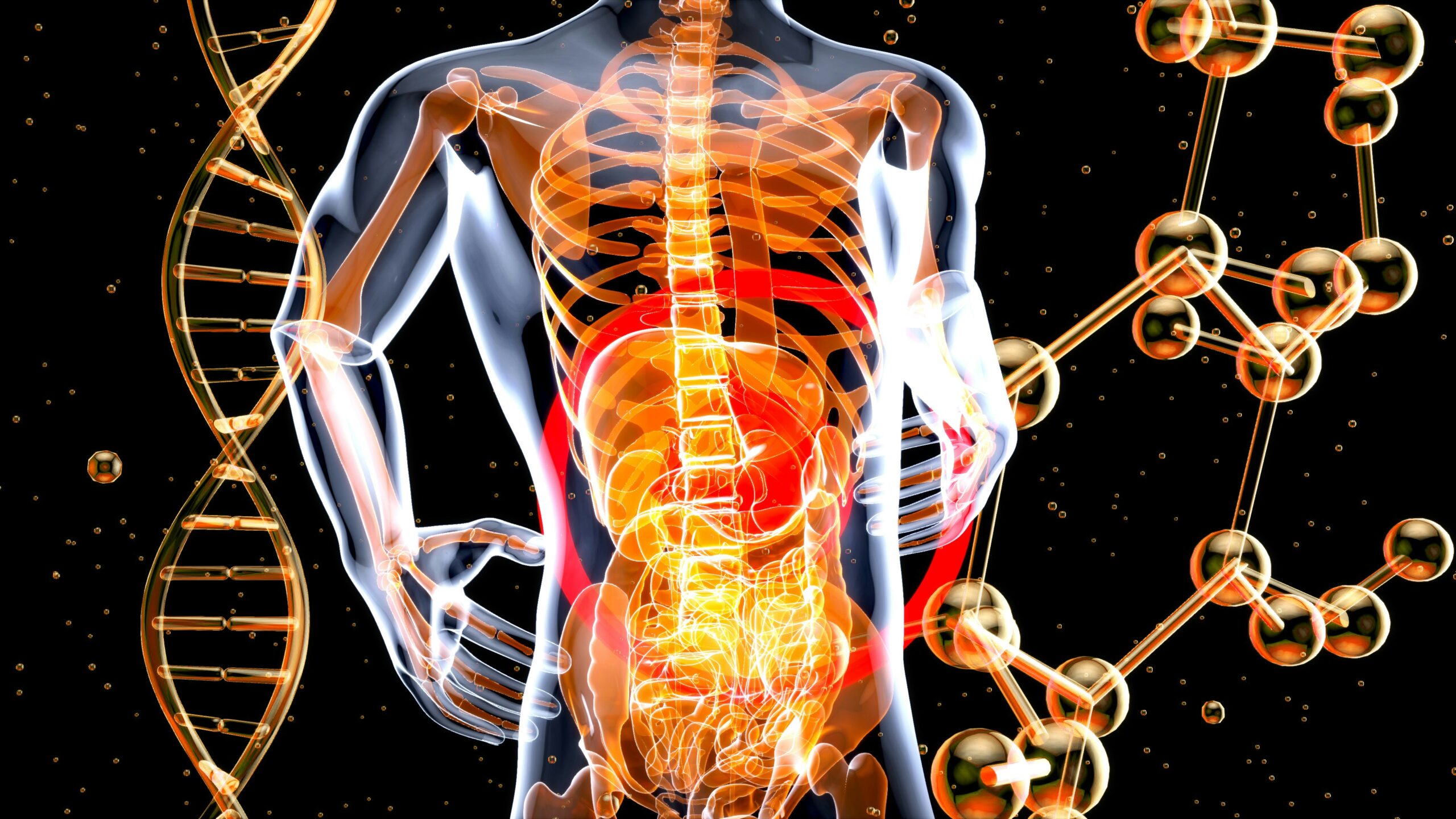
Many people think low energy comes only from lack of sleep or a busy schedule. However, one of the most overlooked factors affecting daily energy is digestion. The digestive system plays a major role in how the body processes food and converts it into usable energy. When digestion works efficiently, the body absorbs nutrients properly and maintains steady energy throughout the day. When it does not, fatigue, sluggishness, and even mood changes can appear.
Understanding the connection between digestion and energy levels can help people make better food and lifestyle choices that support both gut health and overall vitality.
How Digestion Converts Food Into Energy
Every meal provides the body with fuel, but the digestive system must first break it down. Digestion begins in the mouth and continues through the stomach and intestines. During this process, carbohydrates, proteins, and fats are broken down into smaller molecules such as glucose, amino acids, and fatty acids.
These nutrients enter the bloodstream and are transported to cells throughout the body. Cells then convert these nutrients into energy that powers everything from brain function to physical movement. If digestion is slow or inefficient, the body may struggle to absorb these nutrients, leading to low energy levels.
Healthy digestion ensures that the body absorbs vitamins, minerals, and other essential compounds needed for steady energy production.
The Role of Gut Health in Energy Production
The gut is home to trillions of microorganisms known as gut bacteria. This complex ecosystem, often called the gut microbiome, plays a significant role in digestion and energy regulation.
Beneficial bacteria help break down certain foods that the body cannot digest on its own. They also help produce essential nutrients, including certain B vitamins, which are closely linked to energy metabolism.
When the balance of gut bacteria is disrupted, digestion may become less efficient. This imbalance can lead to bloating, discomfort, and reduced nutrient absorption. As a result, the body may not receive the nutrients it needs to maintain consistent energy levels.
Supporting gut health through balanced nutrition can help maintain a healthier microbiome and better energy throughout the day.
Blood Sugar Balance and Energy Stability
Digestion also affects energy by influencing blood sugar levels. After eating, the body breaks down carbohydrates into glucose, which is absorbed into the bloodstream and provides quick energy.
However, not all foods affect blood sugar the same way. Highly processed foods and refined sugars can cause rapid spikes in blood sugar, followed by sudden drops. These fluctuations often lead to energy crashes, leaving a person feeling tired or unfocused.
On the other hand, meals that include fiber, protein, and healthy fats digest more slowly. This slower digestion helps release glucose gradually into the bloodstream, providing a steady supply of energy.
Balanced meals support smoother digestion and help maintain consistent energy without dramatic highs and lows.
Nutrient Absorption and Cellular Energy
Even if someone eats nutritious foods, poor digestion can prevent the body from fully absorbing those nutrients. Vitamins such as B12, iron, and magnesium play key roles in energy production within the body’s cells.
For example, iron helps transport oxygen through the blood, while B vitamins help the body convert food into usable energy. If digestion problems interfere with nutrient absorption, fatigue may develop over time.
Maintaining a healthy digestive system allows the body to derive the full benefits of the foods consumed, supporting sustained energy and overall well-being.
The Impact of Digestive Discomfort on Daily Energy
Digestive issues such as bloating, indigestion, or stomach discomfort can directly influence how energetic a person feels. When the digestive system is under stress, the body may redirect energy toward managing inflammation or discomfort.
This process can leave less energy available for physical activity, mental focus, or productivity. In addition, digestive discomfort can disrupt sleep, which further contributes to feelings of exhaustion.
Addressing digestive health can therefore improve not only physical comfort but also daily performance and mental clarity.
Lifestyle Habits That Support Better Digestion
Healthy digestion depends on more than just food choices. Lifestyle habits also play an important role in how efficiently the body processes nutrients.
Eating slowly and chewing food properly helps begin the digestive process in the mouth. Staying hydrated supports the movement of food through the digestive tract. Regular physical activity also encourages healthy digestion and nutrient circulation.
Stress management is another important factor. High stress levels can interfere with digestive function, slowing the breakdown and absorption of nutrients. Relaxation techniques, adequate sleep, and balanced routines can help the digestive system function more effectively.
A Strong Digestive System Supports Lasting Energy
Energy levels are closely tied to how well the digestive system performs its job. Efficient digestion enables the body to break down food, absorb essential nutrients, and deliver a steady supply of fuel to cells.
When digestion is supported through balanced nutrition and healthy habits, the body can maintain steady energy, better focus, and improved overall wellness. By paying attention to digestive health, individuals can take an important step toward feeling more energized and productive each day.