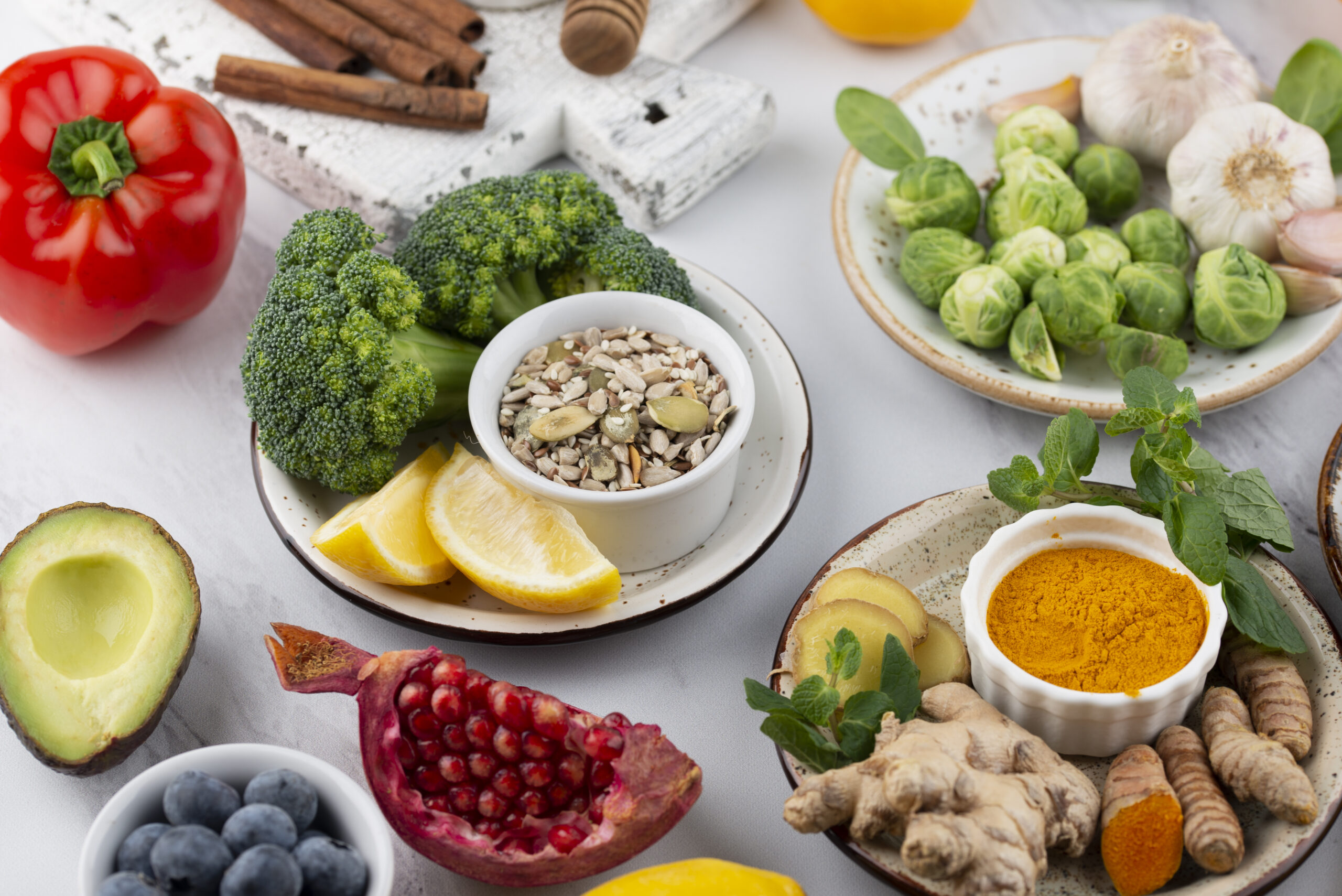
A balanced microbiome plays a huge role in helping your digestion, energy, and immunity stay strong. Your gut hosts trillions of microbes, and they respond directly to the foods you eat each day. When you choose clean, whole foods, your gut environment becomes stronger and more diverse, which helps you feel healthier overall.
Many people think gut health requires expensive supplements, yet everyday foods offer better long-term support. Since these foods work naturally with your digestive system, they create steady improvements that last. With the proper daily habits, you can build a balanced microbiome without stress or difficulty.
Why Your Gut Needs Everyday Support
Your gut works nonstop, and it needs the right fuel to stay healthy. It processes nutrients, supports immunity, and protects you from harmful bacteria. When your gut microbes remain strong, you feel more energetic and comfortable throughout the day. This is why consistent food choices matter more than occasional diet changes.
Because your gut responds quickly to shifts in your routine, adding supportive foods each day leads to noticeable improvements. Even small changes, such as adding more fiber or fermented foods, help good bacteria thrive. Over time, these daily choices help you maintain a balanced microbiome and better overall wellness.
Fiber-Rich Fruits That Feed Healthy Bacteria
Fiber-rich fruits offer natural support for your gut by feeding the good bacteria that keep your digestive system strong. Apples, bananas, pears, and berries contain prebiotic fibers that encourage healthy microbial growth. As these microbes flourish, they produce short-chain fatty acids that support digestion and immunity.
Since fruits fit easily into meals or snacks, they help you maintain balance without extra effort. You can eat them with breakfast, blend them into smoothies, or enjoy them fresh throughout the day. These simple habits create a steady supply of nutrients that help you cultivate a balanced microbiome.
Vegetables That Strengthen Your Digestive System
Every day, vegetables provide your gut with the diverse fibers and antioxidants it needs to stay resilient. Leafy greens, carrots, onions, and garlic offer unique compounds that nourish microbes and reduce inflammation. These vegetables help your gut maintain stability while supporting a healthy immune response.
You can cook vegetables in many ways without losing their benefits. Adding greens to soups, roasting vegetables for dinner, or tossing them into stir-fries are easy ways to increase your daily intake. Because vegetables work naturally with your system, they support a balanced microbiome and steady digestive comfort.
Whole Grains That Build Gut Strength
Whole grains support your gut by offering complex carbohydrates and resistant starch that fuel beneficial microbes. Oats, brown rice, and whole-grain bread help create a stable environment where healthy bacteria can grow. These foods also help maintain steady energy throughout the day, which supports better digestive function.
Whole grains also bring essential nutrients that your body uses to repair and protect your gut lining. Eating oats for breakfast or including grains in your lunch or dinner keeps your digestive system active and balanced. With consistent intake, you build a stronger and more diverse microbiome.
Fermented Foods That Add Friendly Bacteria
Fermented foods provide natural probiotics that help keep your gut balanced and diverse. Yogurt, kefir, sauerkraut, and kimchi introduce living bacteria that work with the microbes already in your gut. This natural teamwork creates a healthier digestive environment and strengthens your immune system.
Since fermented foods blend easily into meals, you can enjoy them without significant changes to your routine. Adding yogurt to breakfast or pairing sauerkraut with lunch provides steady probiotic support. These daily choices help you maintain a balanced microbiome and better digestive comfort.
Lean Proteins That Support Microbial Stability
Lean proteins help your gut by supplying nutrients that support tissue repair and hormonal balance. Chicken, fish, eggs, and tofu digest more smoothly than heavy or greasy proteins. Because they break down cleanly, they reduce stress on your digestive system and help your microbiome stay steady.
Pairing lean proteins with vegetables or whole grains increases their gut-friendly effects. This combination encourages smoother digestion while feeding healthy bacteria. Over time, these balanced meals help you build a stronger, more regulated gut environment.
Healthy Fats That Help Your Microbiome Thrive
Healthy fats such as olive oil, avocado, and nuts help your gut absorb vitamins and reduce inflammation. These fats also support the growth of beneficial bacteria, making it easier for your microbiome to stay balanced. Because they provide steady energy, they help your body maintain a steady digestive rhythm throughout the day.
Adding healthy fats to meals creates smoother digestion and better nutrient absorption. You can drizzle olive oil on salads, enjoy avocado with breakfast, or snack on nuts for a quick boost. These daily habits help you maintain a balanced microbiome and consistent digestive comfort.
Hydration and Fluids That Keep Your Gut Moving
Water keeps your digestive system moving and helps fiber do its job. When you stay hydrated, your gut transports nutrients more efficiently and removes waste without strain. Proper hydration also supports microbial activity by maintaining a stable digestive environment.
You can maintain hydration through water, herbal tea, or infused water. Adding fruits or herbs to water makes it more enjoyable, which encourages frequent sipping throughout the day. With steady hydration, you support a balanced microbiome and smoother digestion.
Small Daily Choices Build a Balanced Microbiome
Creating a balanced microbiome does not require dramatic diet changes. Daily foods like fruits, vegetables, whole grains, fermented foods, and lean proteins offer powerful support. When you include them regularly, your gut becomes more resilient, more diverse, and more efficient.
A consistent routine supports long-term gut health, improving digestion, energy, mood, and immunity. Your microbiome responds to everything you eat, so even small choices make a meaningful difference. When you focus on everyday foods, you build lasting habits that naturally support a balanced microbiome.